Inspiring Generations
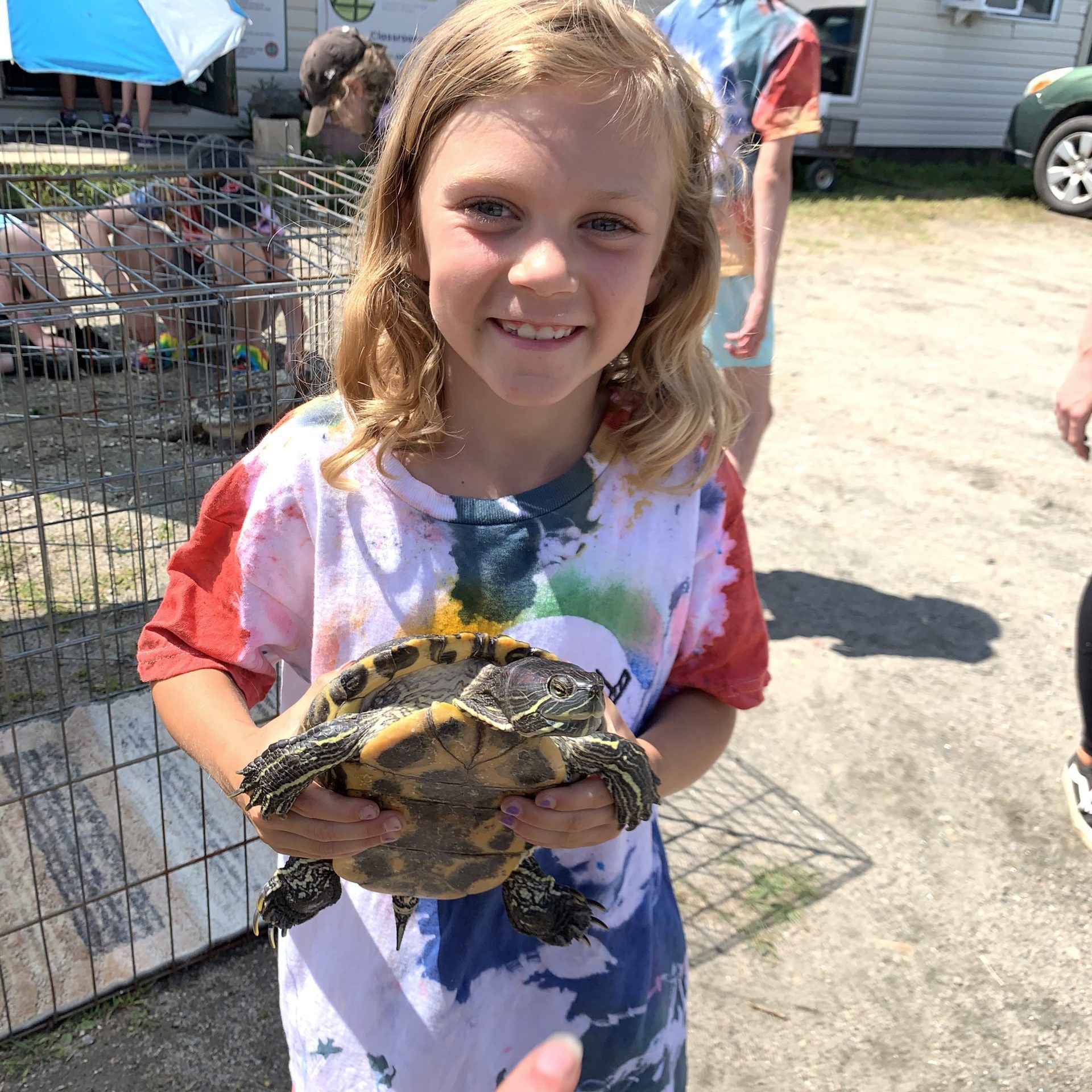
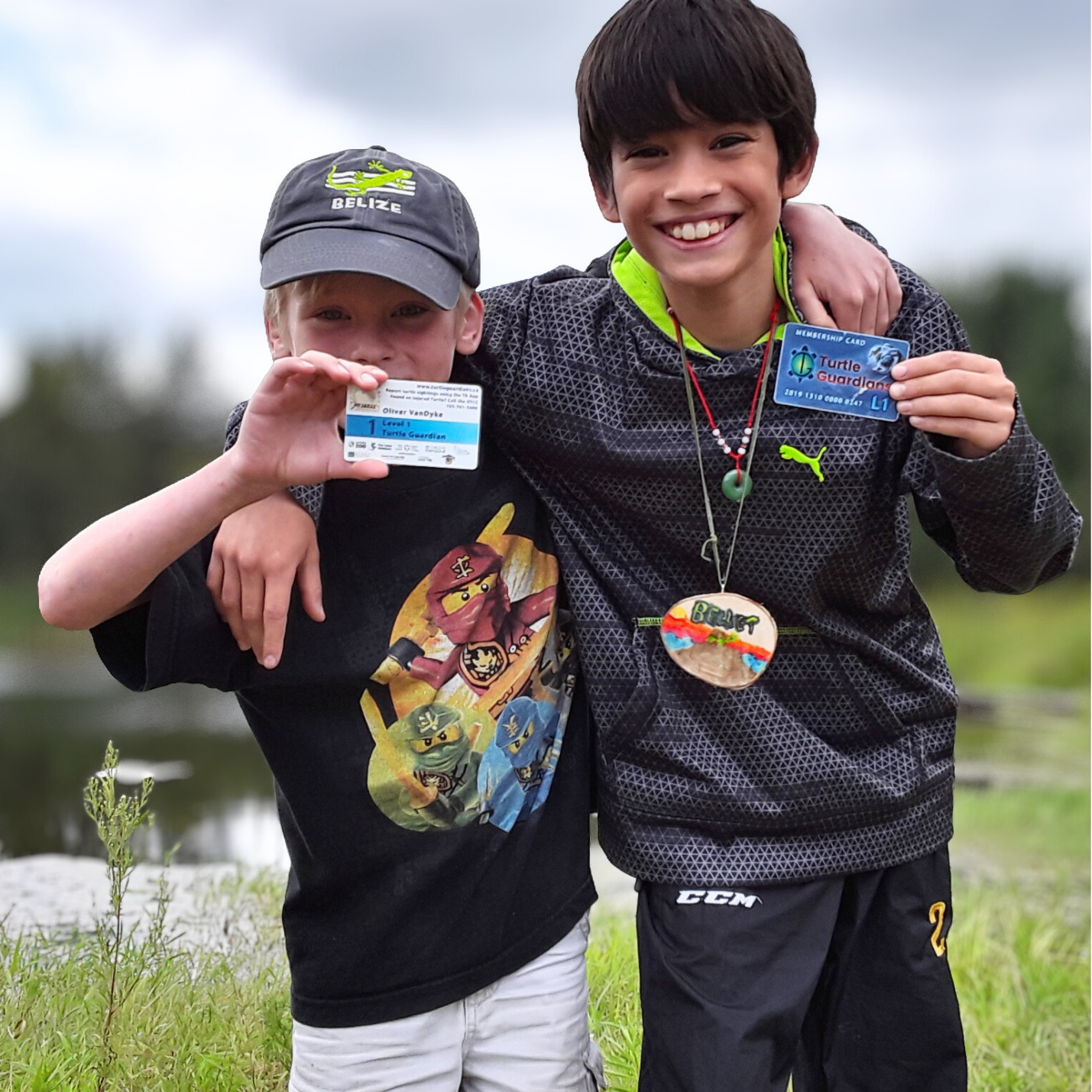
Turtle Guardians offers education for all future leaders and practitioners; from kids camps and clubs, to classes and curriculum resources, to training land managers and road crews, the charity has developed learning opportunities to support balanced planning, nature connectedness and conservation.
Working Hand in Hand
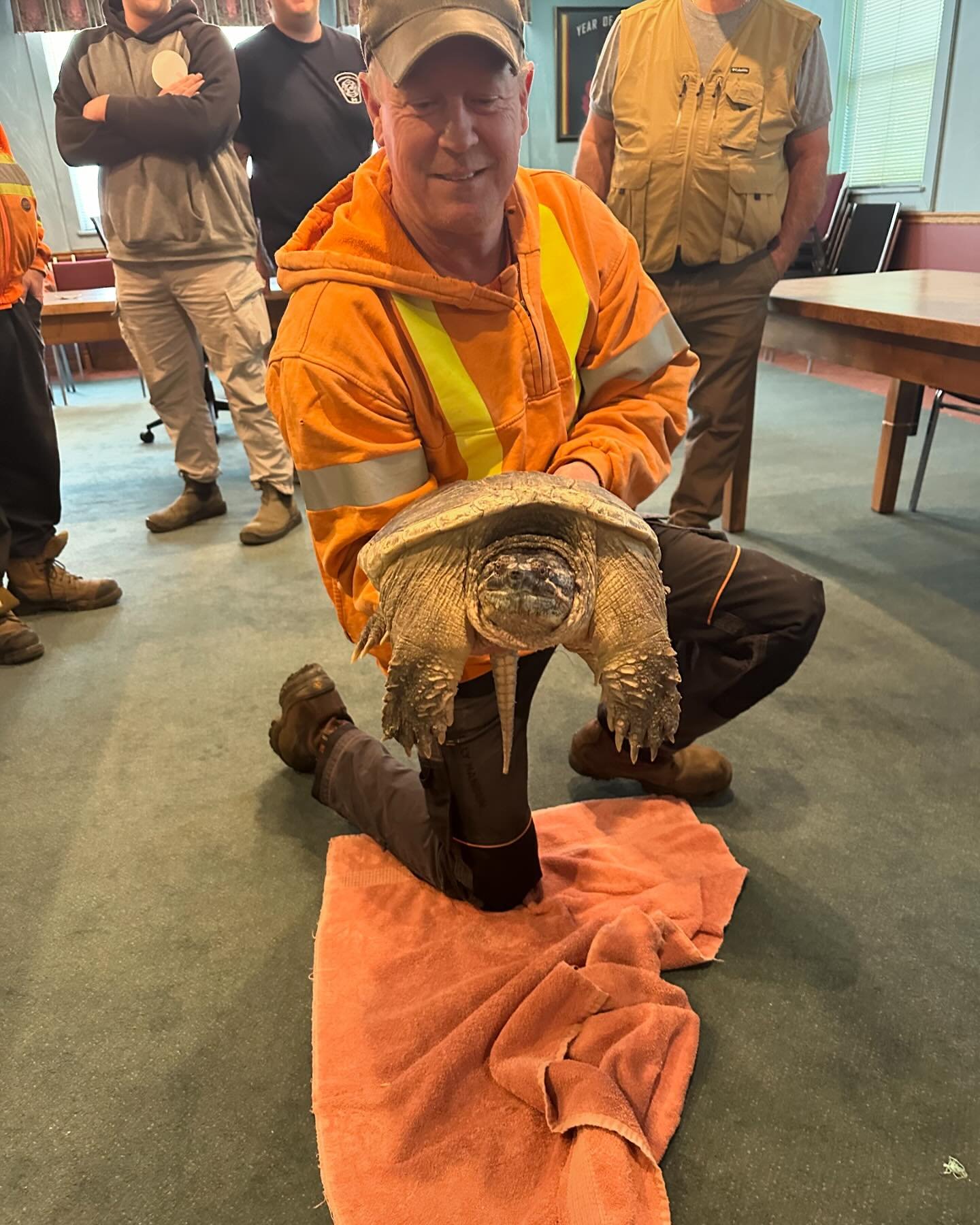
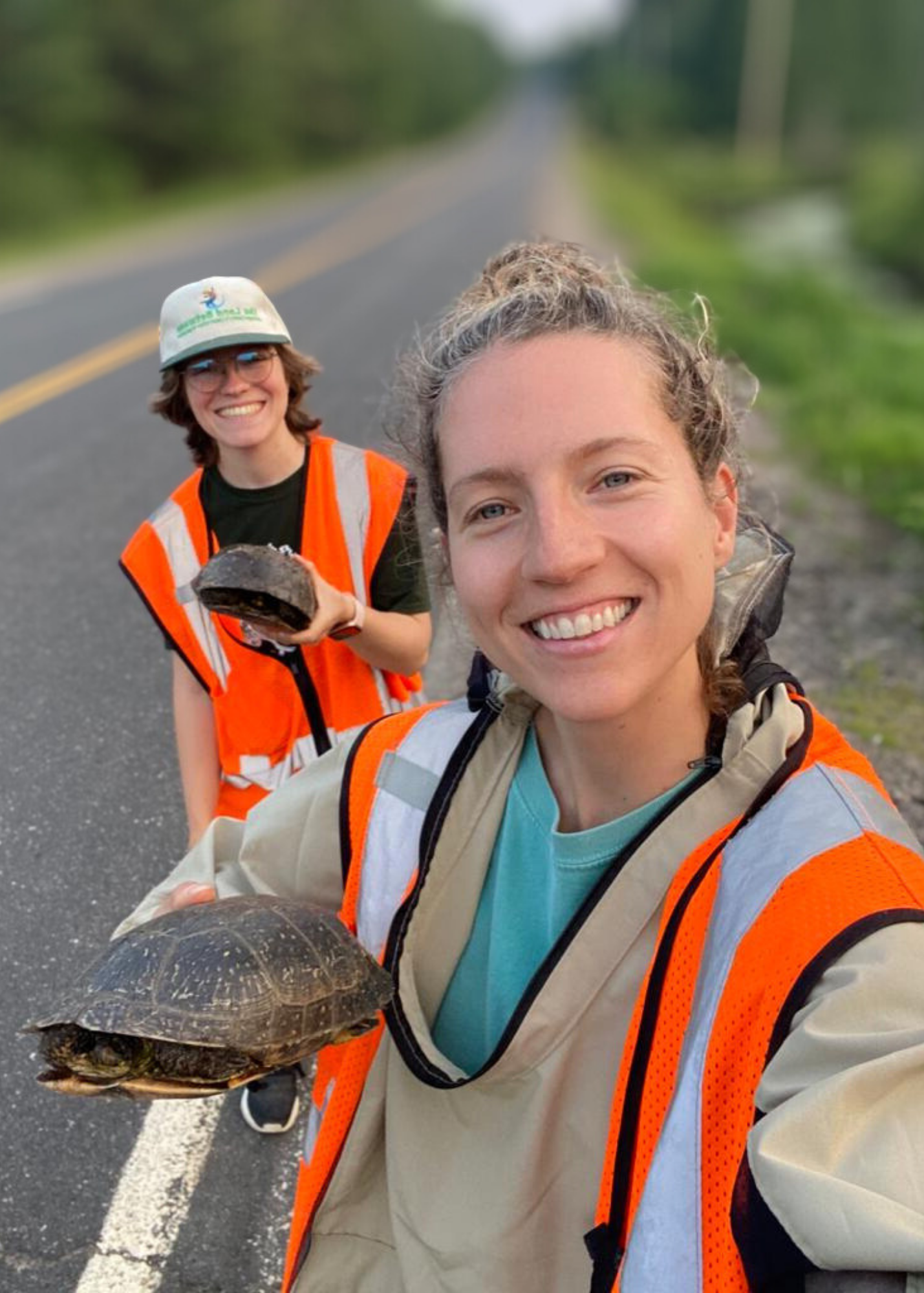
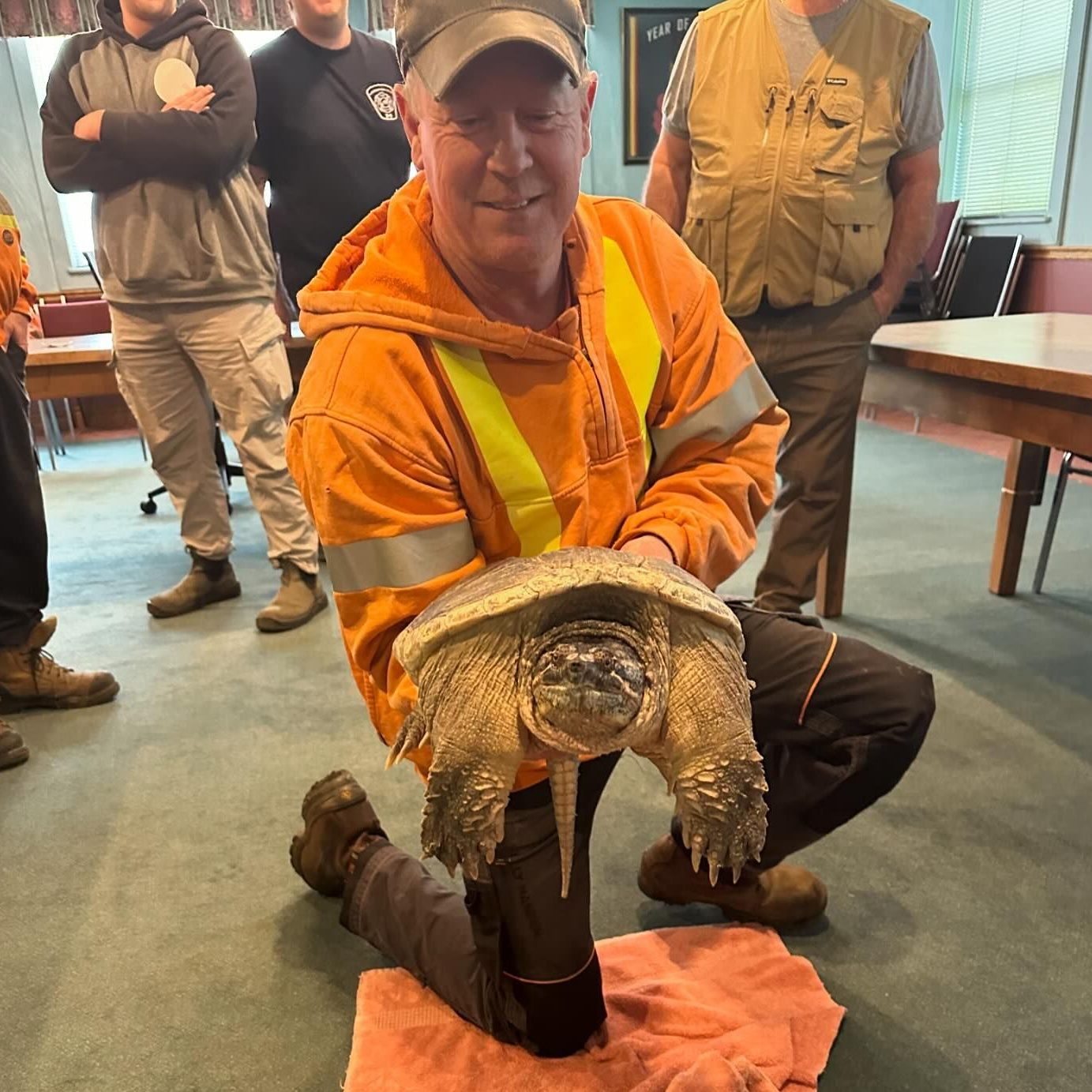
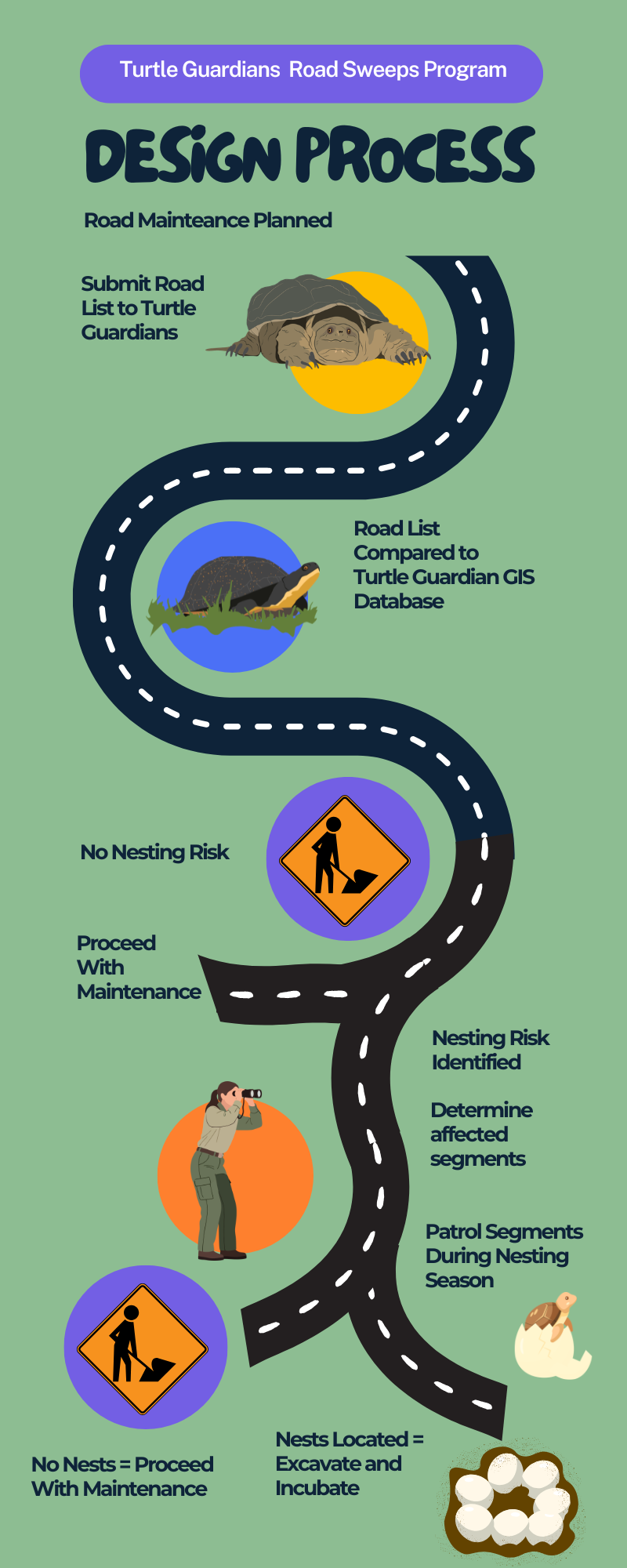
Since 2015 Turtle Guardians has been working with municipal road departments to find a balance where humans and wildlife thrive. We conduct road "sweeps" to mitigate harm to nests before road construction and maintenance, and we provide training. We also work together to develop mitigation infrastructure that saves lives.
Learning Resources
Kids resources include elementary school curriculums for all subject matters- using turtles and conservation as a foundation for teaching math to sciences. Explore these learning tools
We also offer school and community presentations.
For those that wish to start their own conservation initiatives, research projects, or for managers that need to assess impacts, we offer comprehensive certificate based programs, and mentorship. See our programs here
Municipal Road Sweeps Program
Why Nest Sweeps Matter
Every spring and early summer, freshwater turtles leave wetlands to nest in gravel shoulders, road edges and disturbed soils. Unfortunately, these same areas are often scheduled for grading, ditching, resurfacing or shoulder maintenance.
For several species at risk, nests are considered critical habitat under legislation and for mitigation practices as nest sites and of course adult turtle protection are both essential to population recovery.
A notable concern is particularly significant for the Blanding's Turtle; an Ontario example:
- Blanding's Turtles are federally Endangered and provincially Threatened.
- Females generally nest after sunset or during the night, meaning nesting often occurs long after road crews have left for the day.
- In some local populations, adult numbers have become so low that females may only reproduce successfully every few years, making every nesting season extremely important.
- Across Ontario, jurisdictions recognize that protecting the remaining adult females and their nests is essential to recovery.
Other freshwater turtles also commonly nest during evening, dusk or nighttime hours, meaning nests may not be visible before maintenance begins the following morning.
Because turtles mature slowly, often taking 15 to 25 years or more before reproducing, protecting adults is important but alone it is not enough. Likewise, incubation alone cannot recover populations if breeding females continue to be lost on roads.
Recovery requires both.
Nest protection through incubation may balance the odds increasing the chance of survival from 1 in 1400 eggs reaching adulthood to 1 in 250, the result still does not replace adult losses, but only buys us time.
The Service
Our service is designed to help municipalities complete road maintenance while demonstrating science-based environmental due diligence in a truly remarkable conservation partnership.
Using over a decade of turtle monitoring data, and based on scheduled municipal road works we determine where nest sweeps are warranted before maintenance proceeds.
This approach:
- minimizes delays;
- targets effort only where needed;
- reduces unnecessary costs;
- helps protect Species at Risk;
- demonstrates proactive environmental stewardship;
- supports legislative due diligence.
Additional Services
Municipal road departments can also request training for supervisors and road crews.
Training includes:
- turtle identification
- road ecology; how roads intersect with populations and home ranges
- general turtle and also nesting behaviour - including
- why many turtles nest after dark
- Species at Risk legislation and how to ensure
- operations are not encumbered unnecessarily
critical habitat - road mortality science
- practical mitigation during maintenance, reporting and adaptive responses to issues as they arise
- Helping and handling of turtles including injured turtle care and response
This practical training helps crews recognize when flexibility exists and where simple operational changes can achieve conservation outcomes without significantly affecting work schedules.
Note that turtle biology and behaviour is far more sophisticated than one may think simply by observing a turtle; they are highly intelligent and are very nuanced in how they respond to cues within their home range, interactions, as well as infrastructure.
Why Work With Us?
Working together benefits both wildlife and municipalities.
Municipalities receive:
- science-based advice grounded in one of Canada's largest freshwater turtle databases and road ecology research programs;
- targeted monitoring rather than blanket restrictions;
documentation supporting environmental due diligence; - practical solutions that balance infrastructure maintenance with species recovery;
- positive public visibility through collaborative conservation.
By combining municipal expertise with conservation science, road maintenance and turtle recovery can work hand in hand-protecting critical habitat, reducing delays, and helping ensure that freshwater turtles remain part of our landscapes for generations to come.