Hatching a Healthy Future
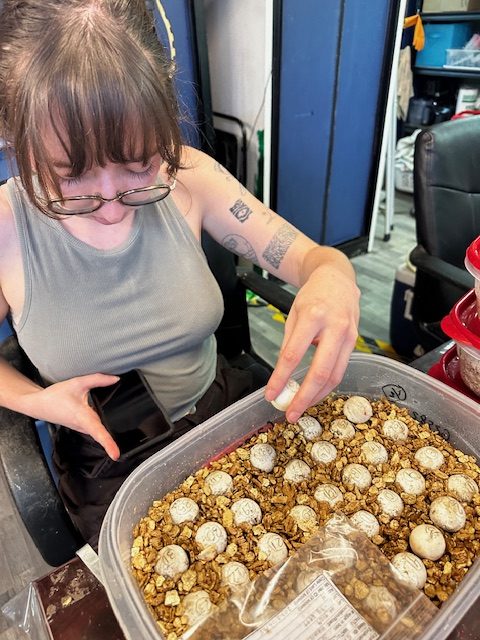
Turtle Guardians operates one of Ontario's largest turtle incubation programs, helping protect eggs from nests at immediate risk while supporting turtle conservation and recovery.
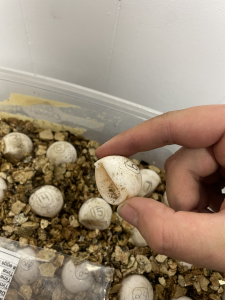
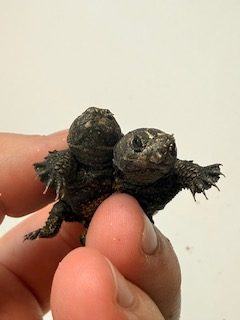
Since 2018, we have coordinated the excavation, incubation, monitoring and release of thousands of turtle eggs and hatchlings across Ontario's Highlands and surrounding regions. Alongside this direct conservation work, our long-term incubation program provides valuable data on nesting, hatching success, egg viability, developmental anomalies and emerging threats to turtle reproduction and health.
Why Incubation Balances the Scales
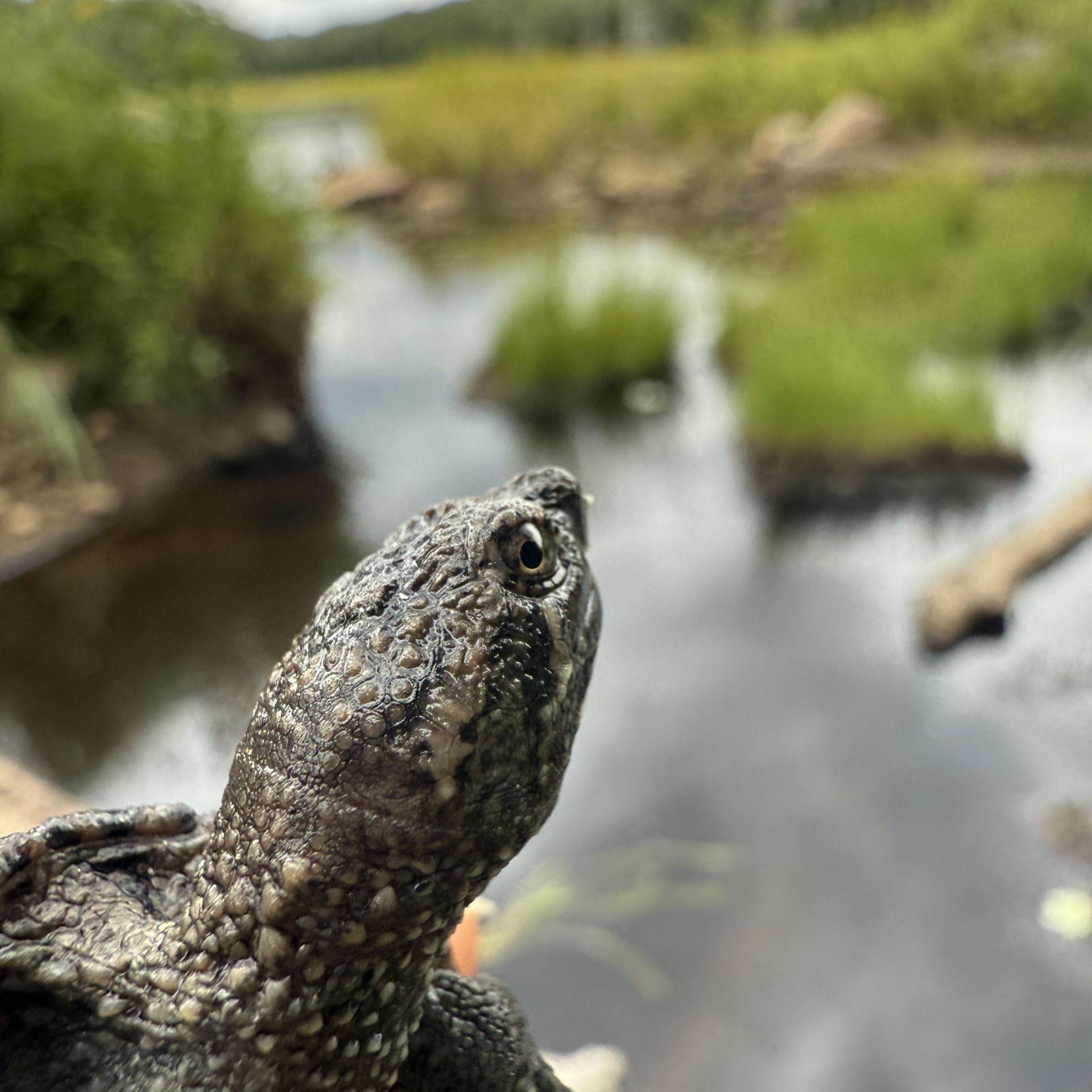
Turtles naturally have very low recruitment. Research from Algonquin Provincial Park, a relatively natural landscape, has estimated that only about 1 in 1,000 eggs will ultimately produce a turtle that survives to adulthood. In more human-altered landscapes, additional threats can reduce this further, to approximately 1 in 1,400.
Turtle populations are adapted to these naturally low recruitment rates only when adults survive for many decades. When low recruitment is compounded by increased adult mortality from roads and other human-caused threats, populations can decline rapidly and recovery becomes extremely difficult.
Strategic incubation helps address one part of this equation by increasing the number of hatchlings successfully entering the population, while broader conservation efforts work to reduce adult mortality and protect habitat.
Our Approach
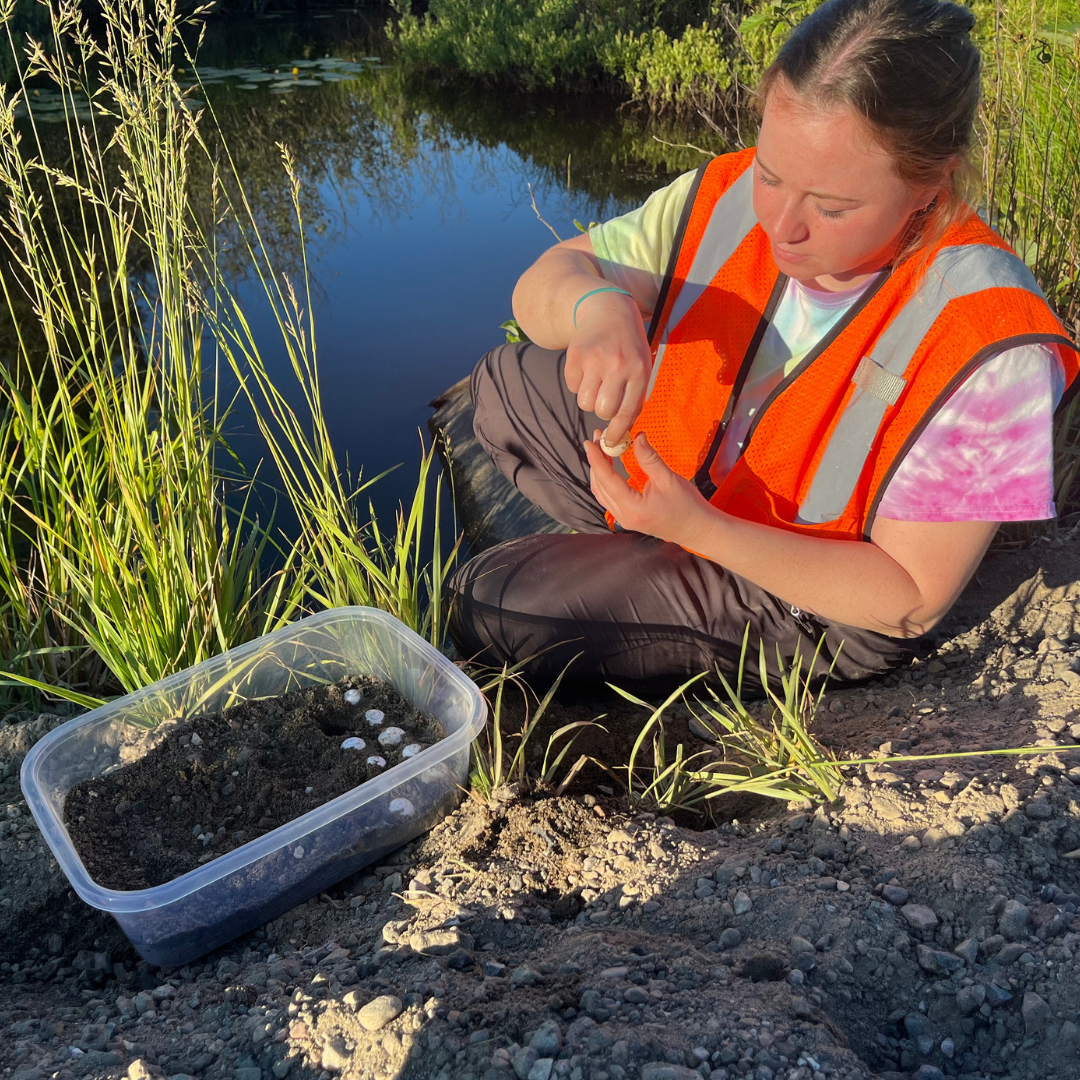
Our incubation program begins in the community. Since 2017, Turtle Guardians has trained staff and volunteers to recognize turtle nesting behaviour and respond to reports of nesting females and vulnerable nests. Calls from the public through our turtle hotline also help us identify nests that may be at immediate risk.
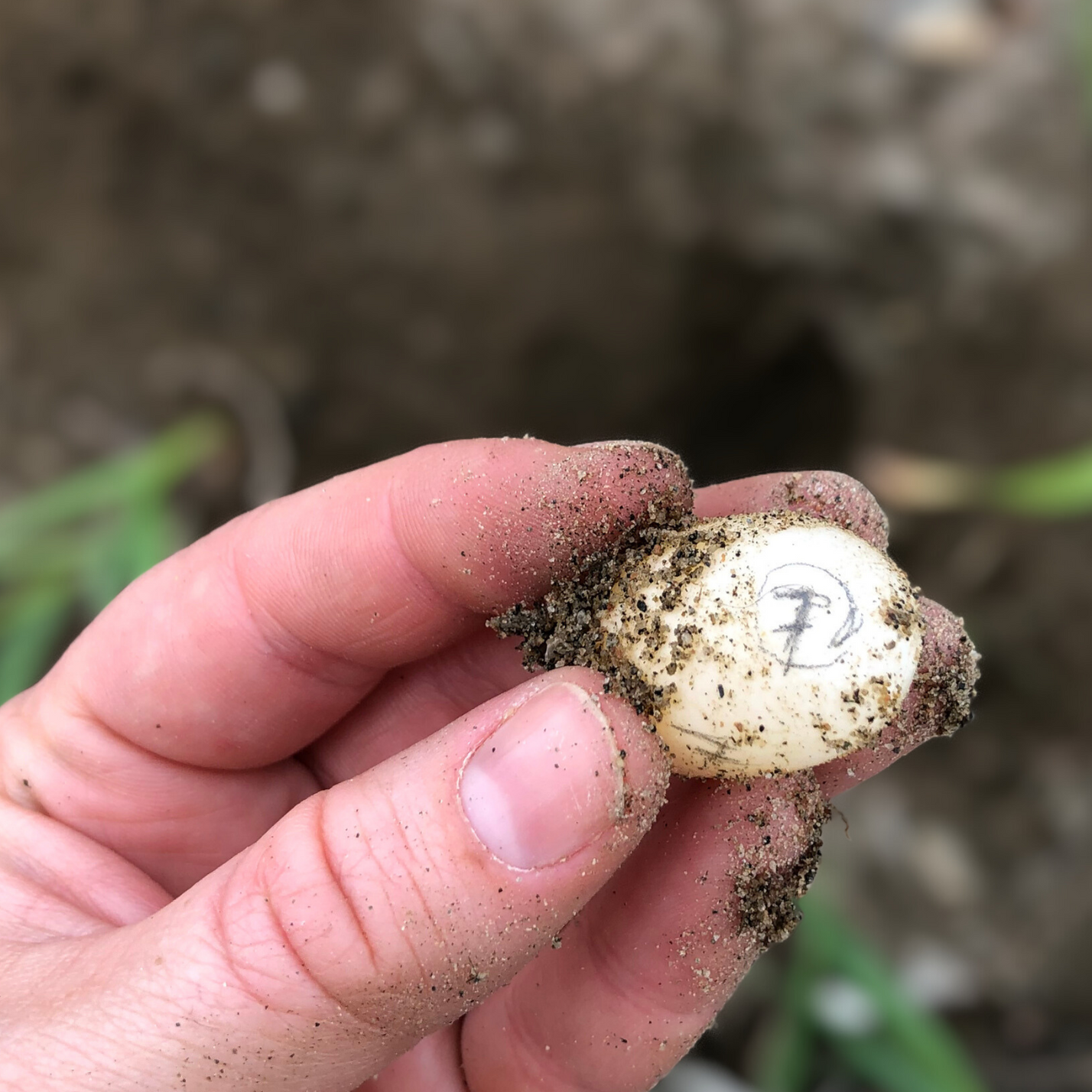
We prioritize nests in high-risk locations, including primary roads, construction areas and other sites where eggs are unlikely to remain safely in place. Where intervention is warranted, eggs are carefully excavated under permit, transported to our incubation facility and incubated under carefully managed conditions.
Throughout the process, we collect and maintain data on species, nest location, egg condition, incubation outcomes, developmental anomalies, hatchling morphometrics and other observations. This has created a growing long-term dataset that supports both our conservation work and emerging research.
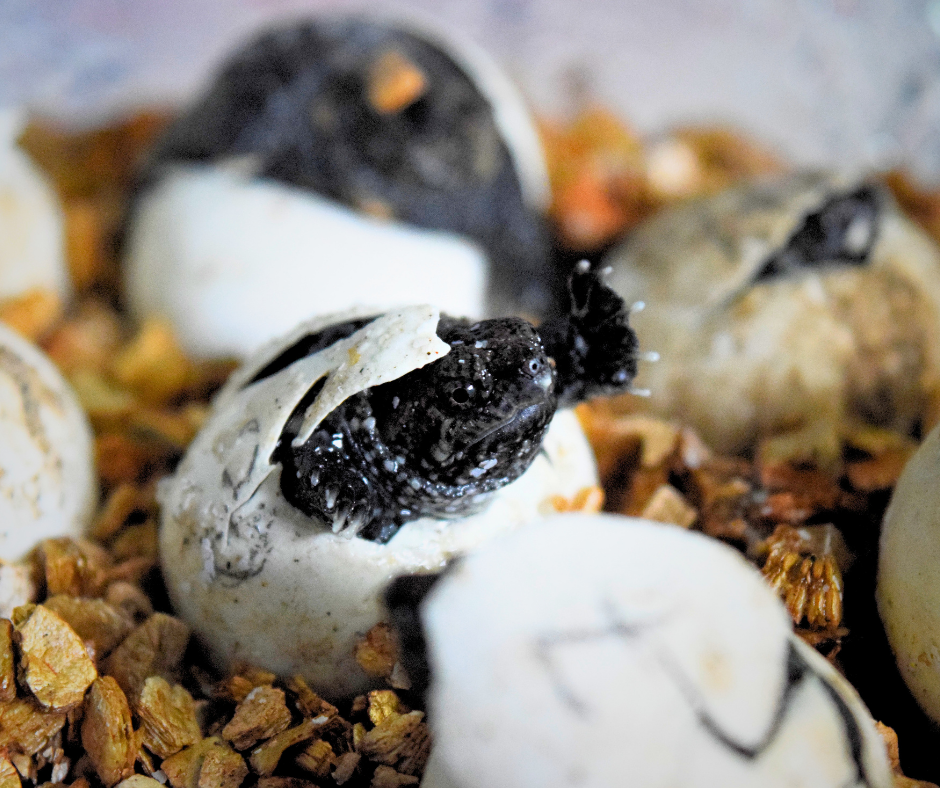
Once hatched and ready for release, turtles are returned as close as possible to their original nest locations, maintaining their connection to the landscapes and populations from which they originated.
Our approach combines community response, direct recovery action, careful animal care, long-term monitoring and research, while continually improving our practices as new evidence and field experience emerge.
Incubation History, Leadership & Recognition
Turtle Guardians' regional nest excavation and incubation program has grown through the contributions of staff, volunteers and incubation coordinators who have supported nest response, egg care, data collection and the release of thousands of hatchlings.
Our incubation program and facility have been strengthened through the guidance and mentorship of Jeff Hathaway of Scales Nature Park, whose experience and expertise have been invaluable in the development of our incubation practices.
Leora Berman | 2018–2025: Program leadership, including staff and volunteer dispatch, coordination of the regional nest excavation program, incubation oversight, and development of long-term monitoring and data collection related to incubation success and emerging anomalies.
Krystin Bennett, Emma Russett and Nadia Pegliaro | 2020-2023: Incubation and data management.
Grace Wiley | 2023 and 2024: Field coordination and training for nest excavation and hatchling releases. Data management and reporting.
Haley Davidson and Molly Ahmed | 2024: Incubation and data management, documentation of egg implosions, and hatchling release coordination.
Darian Carpenter and Meadow Funkenhauser | 2025: Incubation and data management, documentation of egg implosions, and hatchling release coordination.
Darian Carpenter, Sarah Hutchison and Ava Smith | 2026: Nest excavation and incubation management, data collection on incubation success, twins, deformities and egg anomalies, and hatchling release coordination.
Egg Implosion Research
Beginning in 2021-2022, Leora Berman identified turtle egg implosions as an emerging research question and developed a preliminary hypothesis concerning potential relationships with environmental calcium availability and other anthropogenic influences. Preliminary data collection and mapping of aquatic calcium levels and anthropogenic impacts followed in 2023 and 2024. We gratefully acknowledge the incubation coordinators and team members whose observations and data collection have contributed to this ongoing work.
Michaela Bouffard | 2024 to January 2026: data collection and data management related to egg implosions.
Field Observations & Emerging Findings
Years of nest excavation and incubation have given Turtle Guardians a unique opportunity to observe patterns in egg condition, hatching success, hatchling development and reproductive anomalies across thousands of eggs and hundreds of nests.
Some observations have developed into active research questions, while others are being documented over time to determine whether meaningful patterns emerge.
Then I would highlight perhaps four or five observations, rather than duplicating everything from the Research page:
- Egg implosions, observed since 2022, now being investigated in relation to environmental conditions, calcium availability and other potential influences.
- Developmental abnormalities, including limb deformities documented among Snapping and Painted Turtle hatchlings.
- Twinning, including the approximately 1.4% observed incidence in 2026, which you are now mapping alongside previous egg anomalies and environmental data.
- Incubation and hatching success, including differences among species, nests, years and conditions.
- Other egg and hatchling anomalies, documented systematically as they occur to identify potential spatial or temporal patterns